UV (Ultraviolet) Radiation and Cancer Risk
Exposure to ultraviolet (UV) radiation is a major risk factor for skin cancers, including basal cell carcinoma, squamous cell carcinoma, and melanoma. Learn what UV radiation is, how exposure happens, what research says about its health effects and cancer risk, and steps you can take to limit your exposure.
What is UV radiation?
UV (ultraviolet) radiation is a type of energy that comes mainly from the sun. Although the sun’s rays (UV rays) help your body make vitamin D, too much sun exposure can damage your skin and eyes.
UV radiation can also come from artificial sources. These include tanning beds, welding equipment, and certain types of lamps.
What are types of UV radiation?
Different types of radiation are described by the amount of energy their particles, called photons, carry. Some radiation is low-energy (low-frequency), such as that carried by power lines. Other forms of radiation are high-energy (high-frequency), such as x-rays and gamma rays.
UV radiation is generally considered a type of non-ionizing radiation. On the electromagnetic spectrum, it is between visible light and higher-energy ionizing radiation, such as x-rays and gamma rays. Although some very high-energy UV rays can be ionizing, they are absorbed by the atmosphere and usually do not reach the Earth’s surface.
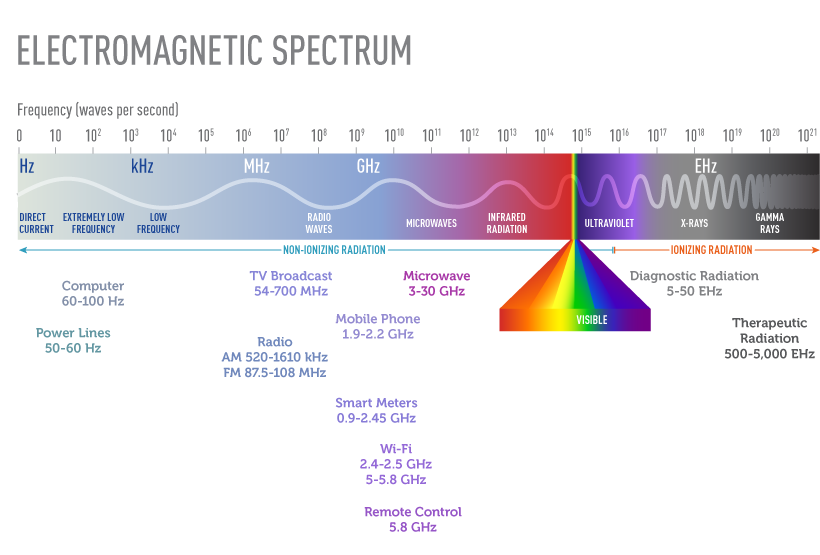
Image courtesy of NCI
UV radiation can damage the DNA in skin cells. This damage can cause sunburn, premature skin aging, and eye damage. It can also increase the risk of cancer.
UV radiation is divided into 3 main groups that impact different layers of the skin:
- UVA rays have the least energy of UV rays and reach deeper layers of the skin (dermis). They lead to skin tanning, skin aging, and wrinkles.
- UVB rays have slightly more energy than UVA rays. They mainly affect the skin’s outer layer (epidermis) and are the main rays that cause sunburns.
- UVC rays have the most energy of the three types of UV rays. They do not reach the ground because they are absorbed by the ozone layer high in Earth’s atmosphere. Most people are not exposed to large amounts of UVC in everyday life. But UVC rays can come from some industrial equipment and UV devices used to kill germs. UVC radiation can cause skin burns and eye injury.
Does UV radiation cause cancer?
Exposure to UV radiation, whether from sunlight or tanning devices, can damage the DNA in skin cells. Over time, this damage can build up and cause cells to grow out of control. When this happens, skin cancer can develop.
Some people have a higher risk of skin cancer, including those with a weakened immune system and those with a personal or family history of skin cancer. People may also have a higher risk if they have many moles or large moles on their skin.
Most skin cancers result from exposure to UV rays in natural sunlight.
- Basal cell and squamous cell cancers are the most common types of skin cancer. They tend to form on sun-exposed parts of the body and are often related to lifetime sun exposure.
- Melanoma is less common than basal cell and squamous cell skin cancers, but it is more serious and more likely to spread to other parts of the body. It is also linked to UV exposure, especially intense exposure that causes sunburns.
Some artificial sources of UV rays, such as tanning devices, have also been linked to skin cancer.
What do expert agencies say?
In general, the American Cancer Society (ACS) does not determine whether something should be considered a carcinogen (something that can cause cancer). Instead, ACS looks to other respected organizations for help with this.
Based on the current research, several expert agencies have determined the following.
The International Agency for Research on Cancer (IARC), which is part of the World Health Organization (WHO), has classified UV radiation (including UVA, UVB, and UVC), solar radiation, and the use of UV-emitting tanning devices as “known to be carcinogenic to humans.”
The National Toxicology Program (NTP) has determined that:
- Solar radiation is “known to be a human carcinogen.”
- Exposure to sunlamps or sunbeds is “known to be a human carcinogen.”
- Broad-spectrum UV radiation is “known to be a human carcinogen.”
- UVA, UVB, and UVC radiation is “reasonably anticipated to be a human carcinogen.”
The US Food and Drug Administration (FDA) refers to all UV lamps used for tanning as “sunlamps.” It requires these lamps to carry labels that:
- Clearly inform people about the risks of using tanning beds
- Advise frequent users of tanning devices to be regularly checked for skin cancer
- State tanning lamps should not be used on people under age 18
The American Academy of Dermatology (AAD) has a position statement about indoor tanning. The AAD:
- Opposes the overall use of indoor tanning devices
- Recommends that people under age 18 do not use indoor tanning devices
- Supports restrictions on indoor tanning
- Does not support any statements that promote indoor tanning as “safe”
To learn more about how cancer causes are studied and classified, see How Do We Know What Causes Cancer?
What do studies show?
Studies suggest that both the amount and pattern of UV exposure can affect skin cancer risk. For melanoma, short periods of intense UV exposure that result in sunburns appear to be especially important.
Exposure to natural (solar) UV rays in sunlight
Many studies show that basal and squamous cell skin cancers are linked to repeated UV exposure over a lifetime. Having sunburns and sun-related skin damage over time also raises the risk. Some things that are linked to increased UV exposure include:
- Spending time in the sun for recreation or work
- Spending a lot of time in the sun with unprotected or exposed skin
- Living in an area that gets a lot of sunlight
- Having serious sunburns (more sunburns are linked to a higher risk)
- Having signs of sun damage to the skin
Studies have also found links between melanoma of the skin and certain sun exposure factors, including:
- Activities that lead to intermittent, recreational sun exposure, such as sunbathing, water sports, and taking vacations in sunny places
- Previous sunburns
- Intense sun exposure or severe sunburns as a child or adolescent
- Signs of sun damage to the skin
Because UV rays don’t reach beyond the skin into the body, they have not been found to cause cancer in internal organs. However, some studies have shown possible links between UV rays and some other cancers, including Merkel cell carcinoma (a less common type of skin cancer) and melanoma of the eye.
Exposure to artificial UV rays in tanning devices
Studies have found that people who use tanning beds (or booths) have a higher risk of all types of skin cancer.
Indoor tanning has been linked to a 24% increase in the risk of basal cell skin cancer, a 58% increase in the risk of squamous cell skin cancer, and a 27% increase in the risk of melanoma. This risk is especially high for early-onset cancers, diagnosed in people younger than age 40.
Risk is also higher for people who started indoor tanning at or before age 20 and for people who indoor tan more than 10 times a year.
How are people exposed to UV radiation?
Sunlight
Sunlight is the main source of UV radiation, and both UVA and UVB rays can damage your skin. About 95% of the UV rays from the sun that reach the ground are UVA rays. Only about 5% of the UV rays from the sun are UVB rays.
The amount of UV exposure a person gets depends on:
- Strength of the rays
- Length of time the skin is exposed
- Whether the skin is protected with clothing or sunscreen
Artificial sources of UV rays
People can also be exposed to artificial sources of UV rays. These include:
These devices give off UV rays, mainly UVA rays, that can damage the skin and increase the risk of skin cancer. The more often and longer a person uses these devices, the greater their skin cancer risk.
Doctors sometimes use UV light to treat skin problems, such as psoriasis. These treatments use UVA light with a medicine called psoralen. This treatment is referred to as PUVA, which stands for psoralen UVA. Psoralen makes the skin more sensitive to UV and helps the treatment to work better. Other treatments use UVB light alone.
These lamps give off small amounts of UV radiation, mostly UVA, and create a purple or blue glow. They are used in some displays, special lighting, and in some insect traps.
These lamps are used to light large public areas, such as streets, gyms, or stadiums. When they are working properly, they are designed to prevent UV radiation from escaping. However, if the outer bulb is damaged or missing, the lamp may give off UV radiation that can be harmful.
Some workplace equipment used in manufacturing and disinfection can give off UV radiation and may expose workers to UV rays. These include welding arcs, some lasers, UV disinfection lamps used in hospitals and other facilities to kill germs, and some car headlights.
Are there other health issues related to UV radiation?
In addition to skin cancer, exposure to UV radiation can cause other health problems, including:
- Sunburn, caused by UV rays from the sun or indoor tanning devices.
- Skin damage that leads to premature aging of the skin and signs of sun damage. This includes wrinkles, liver spots, actinic keratosis, and solar elastosis, which is thickened, dry skin directly related to sun exposure.
- Eye problems due to UV rays causing the cornea on the front of the eye to become inflamed or burned. They can also lead to clouding of the lens of the eye (cataracts) or tissue growth on the surface of the eye (pterygium). These can impair vision.
- Weakened immune system, making it harder for the body to fight infections. The health effects of this are still being studied.
Certain medicines can cause you to be more sensitive to UV radiation. These include some antibiotics, acne treatments, fluid pills, and pain relievers. This can make you more likely to get sunburned.
Can I avoid or limit my exposure to UV radiation?
You can take steps to reduce your exposure to UV radiation from the sun and other sources. Limiting time in the sun, seeking shade when outdoors, protecting your skin and eyes, and not using indoor tanning devices can help lower your risk. Learn more about ways to protect yourself from UV radiation and reduce your risk of skin cancer.
- Written by
- References

The American Cancer Society medical and editorial content team
Our team is made up of doctors and oncology certified nurses with deep knowledge of cancer care as well as editors and translators with extensive experience in medical writing.
Al-Sadek T, Yusuf N. Ultraviolet radiation biological and medical implications. Curr Issues in Mole Biology. 2024; 46(3):1924-1942.
American Academy of Dermatology (AAD). Indoor tanning. Accessed at https://www.aad.org/public/everyday-care/sun-protection on August 12, 2026.
An S, Kim K, Moon S, et al. Indoor tanning and the risk of overall and early-onset melanoma and non-melanoma skin cancer: Systematic review and meta-analysis. Cancers (Basel). 2021; 13(23):5940.
Centers for Disease Control and Prevention (CDC). About non-ionizing radiation. Updated July 15, 2026. Accessed at https://www.cdc.gov/radiation-health/data-research/facts-stats/ultraviolet-radiation.html on August 14, 2026.
Centers for Disease Control and Prevention (CDC). Facts about ultraviolet radiation. Updated July 16, 2026. Accessed at https://www.cdc.gov/radiation-health/data-research/facts-stats/ultraviolet-radiation.html on August 13, 2026.
Gerami P, Tandukar B, Deivendran D, et al. Molecular effects of indoor tanning. Sci Advances. 2025; 11(50). doi:10.1126/sciadv.ady4878
International Agency for Research on Cancer (IARC). IARC Monographs on the Evaluation of Carcinogenic Risks to Humans. Vol. 100D: Solar and Ultraviolet Radiation. 2012. Accessed at: https://publications.iarc.fr/121 on August 12, 2026.
National Cancer Institute (NCI). Skin cancer prevention (PDQ) – Health professional version. Updated April 8, 2025. Accessed from https://www.cancer.gov/types/skin/hp/skin-prevention-pdq#_183_toc on August 14, 2026.
US Food and Drug Administration (FDA). Sunlamps and sunlamp products (tanning beds/booths). 2020. Accessed at https://www.fda.gov/radiation-emitting-products/home-business-and-entertainment-products/sunlamps-and-sunlamp-products-tanning-bedsbooths on August 13, 2026.
US Food and Drug Administration (FDA). The Risks of Tanning. 2023. Accessed at https://www.fda.gov/radiation-emitting-products/tanning/risks-tanning on August 13, 2026.
US Food and Drug Administration (FDA). The sun and your medicine. 2024. Accessed at https://www.fda.gov/drugs/understanding-over-counter-medicines/sun-and-your-medicine on August 14, 2026.
US Food and Drug Administration (FDA). Ultraviolet (UV) radiation. 2020. Accessed at https://www.fda.gov/radiation-emitting-products/tanning/ultraviolet-uv-radiation on August 13, 2026.
US National Toxicology Program (NTP). 15th Report on Carcinogens: Ultraviolet-Radiation-Related Exposures. 2021. Accessed at https://ntp.niehs.nih.gov/sites/default/files/ntp/roc/content/profiles/ultravioletradiationrelatedexposures.pdf on August 12, 2026.
Last Revised: August 25, 2026
American Cancer Society medical information is copyrighted material. For reprint requests, please see our Content Usage Policy.
American Cancer Society Emails
Sign up to stay up-to-date with news, valuable information, and ways to get involved with the American Cancer Society.